“When hundreds of engines idle in synchronization, the ground doesn’t just shake—it hums at a frequency that can be felt in the bone. This is resonance. In the market, it is the sound of a trend becoming inevitable.”
Building on our foundational analysis of Momentum Strategy, we now transition from the physical laws of mass and velocity to the psychological driver of all sustained movement: Harmonic Resonance. In high-stakes environments, a trend is not merely a collection of random actions. It is a Self-Organizing System where individual participants begin to vibrate in sync with a central narrative. At Rolling Thunder Strategy, we analyze these frequencies to distinguish between a minor tremor and a market-moving thunderclap.
1. The Mechanics of Synchronization
In physics, resonance occurs when an object is subjected to an external force vibrating at its “natural frequency.” The amplitude of the vibration increases exponentially. In human systems, the “natural frequency” is composed of Cognitive Biases—fear, greed, and the desire for social proof.
The Feedback Loop:
A trend begins with a stimulus (a winning hand, a breakout candle). If this stimulus resonates with the crowd’s expectations, it triggers a Positive Feedback Loop. More participants enter the grid, which increases the velocity, which attracts even more participants. This is the “Spool-Up” phase where the roar of the thunder begins to build. We reference the Psychology Today studies on “Emergent Behavior” to explain how individual rational actors become a single, irrational “Super-Organism” during periods of peak resonance.
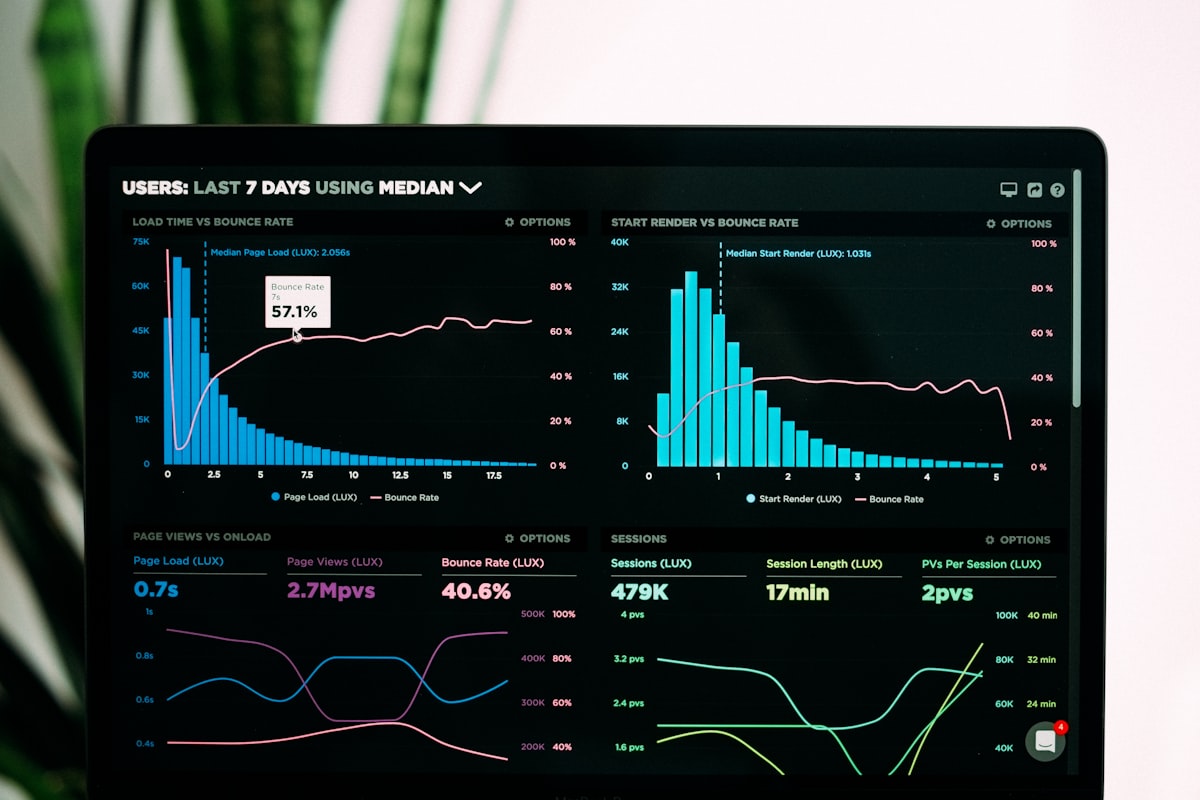
[OSCILLOSCOPE]: Detecting the amplitude spike in crowd-driven momentum.
2. Slipstreaming the Alpha Nodes
In East Coast motorcycle runs, riders do not fight the wind individually. They “slipstream” behind the leaders. In our Harmonic Resonance model, the leaders are the Alpha Nodes—institutional whales, hedge funds, or high-stakes pros who initiate the vibration.
By utilizing On-Chain Analytics and large-block telemetry, we identify the footprint of these Alphas. When they start to “vibrate” (enter positions), they create a low-pressure zone behind them. A professional operator does not try to front-run the thunder; they tuck into the slipstream. This allows you to capture the momentum with significantly reduced Strategic Drag (lower slippage and entry risk). You are no longer fighting the market; you are part of its laminar flow.
3. The Dissonance Threshold: Identifying Trend Decay
Resonance cannot last forever. Eventually, the system hits the Dissonance Threshold. This happens when the crowd becomes over-saturated (Peak FOMO). The vibration becomes too chaotic, the feedback loop breaks, and the thunder turns into a destructive crash.
The Warning Signs:
- Volume Divergence: Price continues to rise, but the “Mass” (volume) is dropping. The vibration is losing its energy source.
- Sentiment Overheating: When the “narrative” becomes 100% bullish, there are no more participants left to enter the slipstream. The vacuum is full.
- Erratic Volatility: The rhythm of the trend becomes jagged and unpredictable—a clear sign of structural fatigue.
4. Conclusion: Strategic Synchronization
Victory goes to those who can hear the resonance before it becomes noise. By applying Harmonic Resonance principles, you align your decision-making with the inevitable forces of the market. You stop gambling on random outcomes and start investing in synchronized movement.
At Rolling Thunder Strategy, we provide the tuning forks. Listen to the crowd, but execute based on the telemetry. Stay synchronized, stay sharp, and ride the thunder to the destination.
© 2024 Rolling Thunder Strategy. All Rights Reserved.